Skeleton Hand Magic SVG
First Impression: Bold, Playful, and Unapologetically Graphic
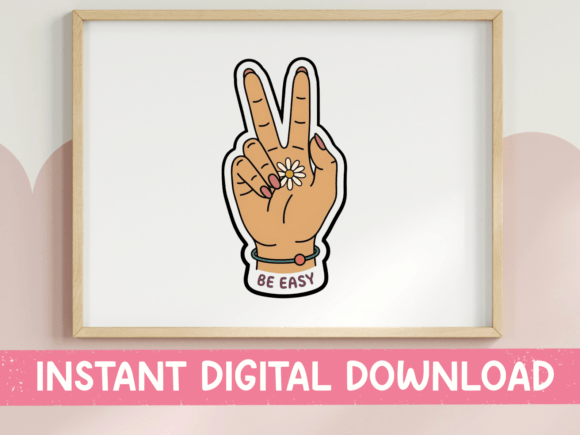
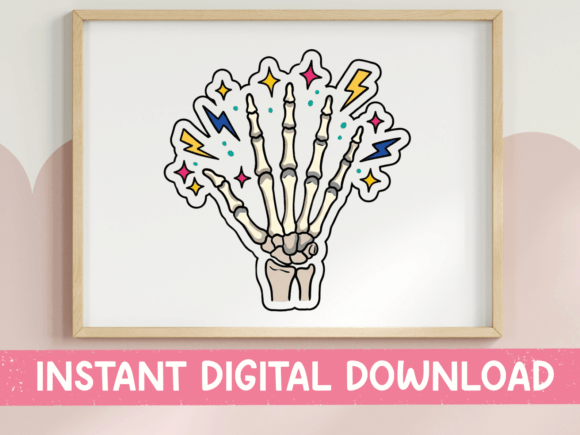
Opening Skeleton Hand Magic SVG feels like flipping to the most vibrant page of a vintage comic book—immediate energy, clear silhouette, and a wink of mischief. The five-fingered skeleton hand is spread wide, not menacing but celebratory, like it’s conjuring something joyful. Those lightning bolts, sparkles, and stars bursting from each fingertip in yellow, pink, teal, and blue? They’re the heartbeat of the design. This isn’t subtle goth—it’s carnival-night magic with bones. As an embroidery designer who’s stitched everything from nursery motifs to boutique sweatshirts, I instantly saw its home: custom tote bags for indie bookshops, playful aprons for bakers, or embroidered patches on denim jackets for teens and tattoo artists alike.
A Real-World Test: Stitching It on a Linen-Cotton Tea Towel
Last week, I prepped Skeleton Hand Magic SVG for a small-batch holiday order—12 linen-cotton tea towels for a local kitchen boutique. Why this design? Because it lands right between “fun gift” and “thoughtful handmade product.” But before loading the hoop, I paused. This is a graphic, not a traditional embroidery motif—and that changes everything. The sharp angles of the bones, the thin lightning forks, the tiny star points—they all demand attention during digitizing. I didn’t use the SVG as-is; I converted it to a machine embroidery design with careful stitch planning. Satin stitch for bone outlines (clean, crisp), low-density fill stitch for the hand interior (to avoid stiffness), and running stitch accents for sparkle tails (to keep them legible at 3.5" wide). On the textured fabric, the contrast between smooth satin and airy running stitch gave the finished piece depth—not flat, not fussy.
Where It Shines (and Where It Needs Guardrails)
Skeleton Hand Magic SVG thrives on stable, medium-weight fabrics: canvas tote bags, midweight cotton sweatshirts, twill caps, and woven pillow covers. It reads clearly at 4–5" wide—ideal for chest placements or back-of-jacket statements. As a tote bag design, it holds attention without overwhelming. As sweatshirt embroidery, it adds personality without compromising durability. For holiday embroidery, it’s a fresh alternative to snowflakes or reindeer—especially for Gen Z gifting or inclusive seasonal merch.
But here’s where instinct kicks in: avoid it on baby embroidery projects unless simplified. Those fine lightning tips and tight star clusters won’t resolve cleanly on 100% cotton interlock or ribbed knit—too much stretch, too little detail retention. Same goes for curved surfaces like structured caps: the finger spread creates awkward tension across the front panel unless digitized with strategic underlay and reduced density. And on dark fabric? Test thread colors first. That teal sparkle vanishes on navy unless you boost brightness with a pale mint or white highlight.
Design Integrity Meets Customer Trust
Your buyers don’t see vector paths—they feel intention. When someone buys a handmade product with Skeleton Hand Magic SVG stitched on it, they’re buying confidence, craft, and clarity. A muddy or over-stitched version erodes trust fast. I’ve seen Etsy sellers lose reviews over “design looked better online”—usually because the digital preview (a clean SVG) didn’t translate to balanced stitch density or thoughtful thread selection. This design works *because* it’s graphic-first: bold shapes, intentional negative space, and color zones that map cleanly to thread changes. That makes it easier to maintain brand consistency across your craft business—whether you’re selling embroidered patches, custom apparel, or digital embroidery files.
Practical Designer Notes You’ll Actually Use
- Always test on scrap fabric first—especially with textured weaves or blends. Linen, terry cloth, and brushed cotton behave differently than smooth poplin.
- Check thread color contrast in natural light *and* on camera. Pink lightning on heather grey can mute quickly.
- Review stitch density before hooping. High-density fills in the palm area can pucker thin fabrics—reduce fill by 15–20% if needed.
- Confirm hoop size compatibility. At full scale, this design fits comfortably in a 5x7 hoop—but verify your digitized version doesn’t creep into the border.
- Inspect small details at actual stitch-out size. Those star points should be ≥1.2mm wide to avoid fraying or disappearing.
- Test black-and-white mockups—not just for licensing, but to see if the core shape holds up without color cues.
- Use tear-away + cut-away stabilizer combo on knits or lightweight wovens. The hand’s open shape needs support where fingers meet palm.
- Confirm licensing before selling finished items—this is a digital embroidery file, not public domain. Know whether it permits commercial embroidery, resale of physical goods, or redistribution as design assets.
Final Thought: It’s Not Just a Graphic—It’s a Vibe Anchor
Skeleton Hand Magic SVG doesn’t beg for attention—it earns it. In a sea of generic florals and overused quotes, it brings wit, rhythm, and visual punch. As a T-Shirt Designs asset, it stands out on printable mockups and social thumbnails. As a Graphics file, it scales cleanly for both embroidery and screen-printed versions—making it a smart dual-use investment for small shop owners juggling multiple production methods. It’s not for every project, but when it’s right? It transforms a plain sweatshirt into a conversation starter, a baby onesie into a cheeky heirloom, or a craft fair booth into a destination. Just remember: respect the bones, honor the sparks, and always stitch like someone’s already fallen in love with what you’re about to make.