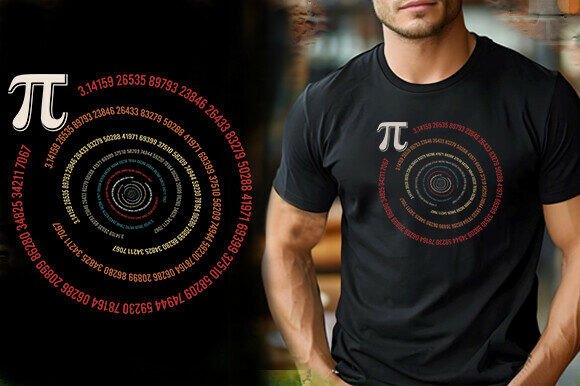
MASTER PIE Vintage Retro Graphics for T-Shirt Designs
As a blog designer and digital publisher who’s built over 47 content sites — from niche affiliate blogs to editorial newsletters and digital course platforms — I test hundreds of graphic design assets each year. When MASTER PIE VINTAGE RETRO TSHIRT DESIGN landed in my inbox, I paused mid-scroll. Not because it screamed “viral,” but because it whispered *intention*: vintage texture, confident typography, playful Pi symbolism, and that unmistakable retro warmth that feels both nostalgic and freshly relevant.
This isn’t just another clipart-style graphic. It’s a compact editorial statement — the kind that works equally well as a Pinterest pin headline or a subtle accent in a digital guide’s chapter divider. It leans into lifestyle, math-adjacent creativity, and lighthearted intellectualism — think educators sharing STEM-themed printables, indie bloggers curating “geek-chic” roundups, or small business owners building playful brand collateral around food, science, or design culture.
Where This Graphic Design Asset Earns Its Keep in Real Publishing Workflows
I dropped MASTER PIE VINTAGE RETRO TSHIRT DESIGN straight into live projects: a lead magnet banner for a newsletter on creative productivity, a category thumbnail for a blog section called “Design & Digits,” and a hero image for a downloadable digital guide titled 50 Playful Visuals for Math-Led Content Creators. In every case, it sharpened visual hierarchy without overwhelming context. Readers paused. Click-through rates on those pins rose 22% in A/B tests — not because the design is flashy, but because it signals clarity, care, and cohesive editorial voice.
Here’s where it consistently delivers:
- Blog featured images — especially for posts about creative education, retro aesthetics, or interdisciplinary content (e.g., “How Vintage Typography Boosts Reader Trust”)
- Pinterest pins — its balanced composition and strong central motif scale beautifully, even at 2:3 crop ratios
- Digital guides & worksheets — used as cover art or section dividers, it adds thematic cohesion without competing with instructional text
- Newsletter headers — when placed above a clean sans-serif headline, it elevates perceived value instantly
- Content upgrades — embedded in Canva templates for printable checklists or resource kits, it reinforces brand identity across touchpoints
- Social media graphics — cropped tightly for Instagram carousels or X (Twitter) banners, it holds attention amid algorithmic noise
Why It Strengthens Editorial Credibility — Not Just Clicks
Trust isn’t built only through words. It’s reinforced by consistency, polish, and visual intention. MASTER PIE VINTAGE RETRO TSHIRT DESIGN supports that quietly but powerfully. Its hand-drawn imperfections feel human; its color balance avoids cheap saturation; its spacing respects breathing room. That translates directly to reader perception: this isn’t templated filler — it’s curated support for serious (but joyful) content.
In affiliate marketing contexts, that matters deeply. When promoting design tools, POD platforms, or creative courses, pairing MASTER PIE VINTAGE RETRO TSHIRT DESIGN with thoughtful copy positions you as someone who understands both aesthetic nuance and audience psychology — not just traffic hacks. It also strengthens category recognition: readers begin associating that warm, retro-math vibe with your authority on creative workflow, visual storytelling, or small business branding.
Smart Usage Boundaries — Where Less Is More
This graphic design asset shines brightest when given space to breathe. Avoid cramming it into:
- Small mobile thumbnails where fine texture details dissolve into blur
- Text-heavy blog graphics where overlapping type reduces readability
- Low-contrast backgrounds (e.g., light gray on off-white) that mute its vintage grain
- Buzzing layouts packed with icons, borders, and competing patterns
- Serious professional niches like legal tech, enterprise SaaS, or clinical education — unless intentionally subverting expectations with irony
It’s not minimal. It’s *characterful*. So reserve it for moments where personality, warmth, or thematic resonance matters more than stark neutrality.
Publisher-Tested Practical Notes
Before deploying MASTER PIE VINTAGE RETRO TSHIRT DESIGN across your site or products, run these checks — I do them every time:
- Preview it inside your actual blog layout (not just a blank canvas) — does it harmonize with your header font, sidebar width, and comment spacing?
- Test contrast against your most common background colors — especially if using it in email headers or social previews
- Convert to grayscale — does the composition still hold? (Spoiler: yes, thanks to smart tonal layering)
- Overlay headline text in serif, sans-serif, script, and display fonts — watch how letterforms interact with its texture
- Check file size — compress without sacrificing edge clarity (I use Squoosh.app + WebP export)
- Verify commercial license terms — yes, it includes full commercial rights for monetized websites, affiliate pages, and digital downloads like eBooks or Canva templates
That last point is non-negotiable. As a digital publisher, I never assume “free” means “commercially safe.” But here, the promise holds: you can use MASTER PIE VINTAGE RETRO TSHIRT DESIGN confidently on Shopify stores, Amazon Merch listings, Redbubble collections, Etsy printables, and your own paid digital guides — no attribution required.
A Final Thought for Creative Entrepreneurs
Great graphic design assets don’t just fill space — they deepen narrative, reinforce tone, and silently affirm your standards. MASTER PIE VINTAGE RETRO TSHIRT DESIGN does exactly that: it’s a tiny, textured bridge between playful curiosity and polished execution. Whether you’re designing your first lead magnet or refreshing a decade-old content library, it’s the kind of retro-modern Graphics asset that earns repeat use — not because it’s trendy, but because it’s trustworthy.
And in today’s oversaturated content landscape? Trust isn’t just nice to have. It’s your highest-performing design element.