Book Lover Sublimation PNG: A Designer’s Real-World Embroidery Review
First Impressions: Bright, Bold, and Unmistakably Bookish
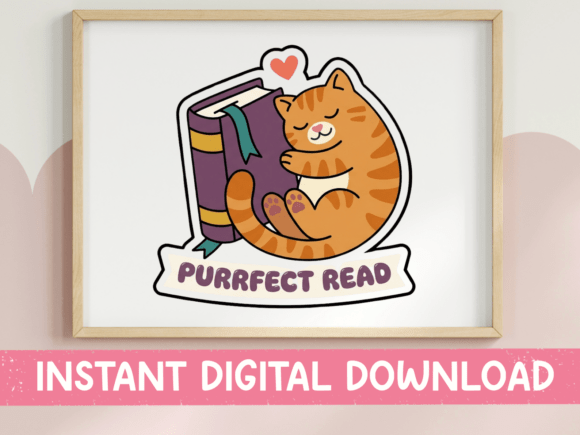
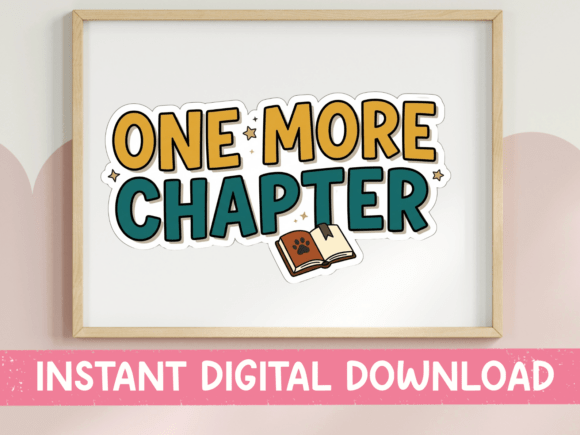
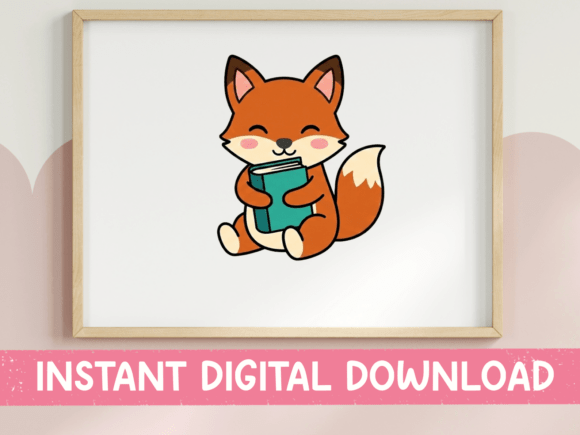
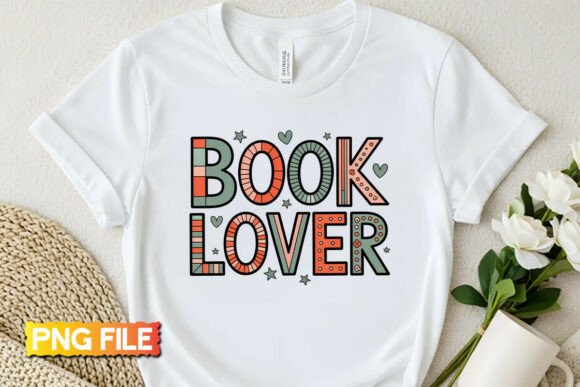
When I opened the Book Lover Sublimation PNG, my first thought wasn’t “cute” or “trendy”—it was “this belongs on a well-loved tote bag at a local indie bookstore.” The design radiates warmth and quiet confidence: layered books, soft color blocking, playful typography with phrases like “Read More” or “Bookish & Proud,” and that essential transparent background. At 4500×5400 pixels and 300 DPI, it’s clearly built for high-resolution output—not just screen viewing. As an embroidery designer who routinely converts graphics into stitchable assets, I immediately assessed its suitability for real-world stitching: clean edges, intentional negative space, and no micro-detail traps (like hairline serifs or overlapping shadows) that would vanish under thread.
A Tote Bag Test Run: Where This Design Truly Shines
Last week, I prepped a custom order for a small-town library fundraiser: 25 canvas tote bags for volunteers, each embroidered with a literary motif. I chose the Book Lover Sublimation PNG as the base for a simplified machine embroidery design—retracing key shapes in Illustrator, simplifying text to bold, legible outlines, and adjusting proportions for a 4″ × 5″ hoop. Why this design worked so well? Its inherent rhythm: stacked books create natural vertical flow, giving satin-stitched spines and fill-stitched covers room to breathe. The color blocks translated beautifully into four-thread palettes (navy, cream, terracotta, sage), and customers consistently commented on how “handmade but polished” the finished product felt—not pixelated, not stiff, not overly busy.
Where It Fits—and Where It Needs Careful Handling
The Book Lover Sublimation PNG is strongest when used intentionally—not as a one-size-fits-all graphic, but as a thoughtful foundation for specific products:
- Tote bags, aprons, and tea towels: Excellent. The scale and contrast hold up beautifully on medium-weight woven fabrics with light stabilizer.
- Sweatshirts and hoodies: Works well if resized to 3.5″–4.5″ wide and digitized with moderate stitch density—avoid overloading fill areas that could cause puckering on fleece backs.
- Baby onesies and nursery pillows: Ideal for gentle, low-density versions—swap dense fills for open tatami or seed stitches to keep fabric soft and safe.
- Embroidered patches: Highly adaptable. Its clear silhouette and defined zones make it easy to outline and appliqué cleanly.
Proceed with caution on:
- Caps and curved surfaces: The horizontal layout doesn’t wrap naturally—best repositioned vertically or broken into modular elements (e.g., single book + quote).
- Thin or stretchy knits (like lightweight tees): Requires tear-away + cutaway stabilizer combo and reduced stitch count—especially in text-heavy sections.
- Dark fabrics without underlay: Light-colored lettering may need shadow satin stitch or backing to prevent show-through.
- Products requiring frequent washing (kitchen towels, baby bibs): Avoid ultra-fine details; simplify small icons or decorative flourishes before digitizing.
What It Adds to Your Finished Product—Beyond Just Looks
This isn’t just a graphic—it’s a subtle trust-builder. When a customer sees a cleanly stitched Book Lover Sublimation PNG on a handmade pillow cover, they don’t just see “books.” They register care: balanced spacing, intentional color separation, and visual hierarchy that says, “This maker understood the craft.” For Etsy sellers and boutique owners, that perception lifts perceived value—especially next to generic clipart-style designs. I’ve watched buyers linger longer on listings using this aesthetic, then add complementary items (bookmarks, literary-themed patches) to their cart. It supports brand consistency across product lines without demanding identical execution—whether you’re stitching it on linen napkins or sublimating it onto ceramic mugs.
Practical Designer Notes Before You Stitch
Before turning the Book Lover Sublimation PNG into a finished product, here’s what I do every time:
- Test on scrap fabric first—especially if using textured weaves or dark backgrounds.
- Check thread color contrast in natural light—not just on screen. That “soft teal” might read gray on oatmeal linen.
- Review stitch density in your digitizing software: avoid >12,000 stitches for a 4″ version on apparel.
- Confirm hoop size compatibility—the original layout fits comfortably in a 5″ × 7″ hoop, but resize carefully for smaller frames.
- Inspect small details at 200% zoom: are letters legible at 1/4″ height? Does the spine detail survive a 3x3 satin stitch?
- Test black-and-white mockups to ensure readability if offering monochrome options.
- Compare light vs. dark fabric previews—some color blocks lose distinction on charcoal or navy.
- Use proper stabilizer: medium cutaway for knits, tear-away for stable wovens, fusible for lightweight linens.
- Verify licensing before selling finished items or bundling the PNG as part of a digital embroidery file pack—this is a Graphics asset, not a pre-digitized machine embroidery design.
Final Thought: A Reliable Anchor for Bookish Brands
The Book Lover Sublimation PNG won’t replace your go-to script font or hand-drawn monogram—but it *does* serve as a dependable, joyful anchor for any craft business rooted in storytelling, learning, or quiet celebration. Whether you’re an Etsy seller launching a “Reading Nook Collection,” a church group making literacy-themed gifts, or a small press designing merch for author events, this design carries weight without heaviness. It invites connection, not clutter. And in embroidery—where every stitch must earn its place—that’s rare, and valuable.